

Owning a car involves more than just the cost of buying and fueling it. Routine maintenance is necessary to keep your vehicle running smoothly and avoid costly repairs down the line. But how much should you budget for car maintenance every month? Understanding the costs of car upkeep can help you plan, avoid unexpected expenses, and keep your vehicle in top shape. In this guide, we’ll break down the costs of routine car maintenance, how much to set aside for unexpected repairs, and tips on managing these costs effectively.
At Torrance Motors, we help our customers by providing expert advice and reliable service to keep their vehicles in excellent condition. Let’s dive in and explore how much car maintenance costs every month.
How Much Does Routine Car Maintenance Cost Per Month?
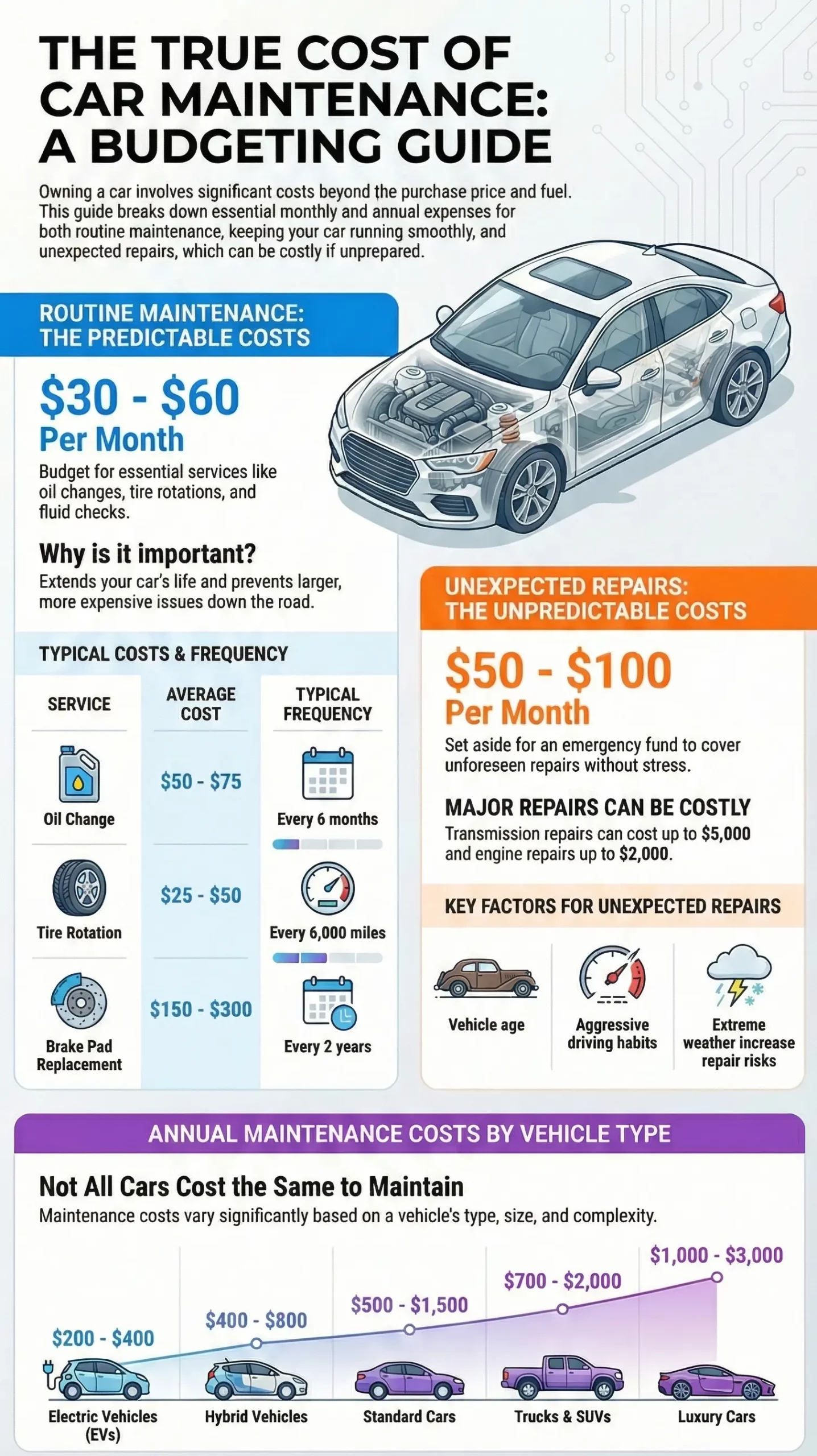
Routine car maintenance is essential to ensure your vehicle remains reliable and performs at its best. Regular maintenance can also extend your car’s life, saving you money in the long run by preventing larger, more expensive issues. But how much should you budget for routine services?
Monthly Cost of Oil Changes (Engine Maintenance)
One of the most common and essential maintenance tasks. Oil changes ensure that your engine runs smoothly by lubricating its moving parts and preventing overheating. Oil changes are typically required every 3,000–7,000 miles, depending on your car and driving conditions. The cost for an oil change generally ranges from $30 to $75.
Tire Maintenance Costs Per Month (Rotation, Balancing & Alignment)
Tires need to be rotated regularly to ensure even wear and prolong their lifespan. Tire rotations are typically done every 6,000 to 8,000 miles, and the cost ranges from $20 to $50. In addition to tire rotations, you should also budget for occasional tire balancing and alignment, which can cost between $75 and $100.
Monthly Fluid Maintenance Costs (Brake, Coolant & Transmission)
Over time, fluids like brake fluid, coolant, and transmission fluid may need to be checked and replenished. Routine fluid checks and top-offs generally cost $10 to $20 each, but replacing fluids like coolant or brake fluid can cost $50 to $150.
Brake Pad Replacement Costs Over Time
Brake pads wear out over time and need to be replaced to maintain safe braking performance. On average, brake pads need to be replaced every 25,000 to 70,000 miles, depending on your driving habits. Replacing brake pads can cost between $150 and $300.
Air Filter and Cabin Filter Replacement Costs
Your car’s engine air filter needs to be replaced every 12,000 to 15,000 miles to ensure proper airflow and engine efficiency. The cabin air filter, which helps clean the air inside your car, should be replaced every 15,000 to 30,000 miles. Each filter replacement typically costs $20 to $50.
Average Monthly Car Maintenance Cost Breakdown
To calculate your monthly routine maintenance cost, let’s break down these services based on their frequency and cost:
| Service | Frequency | Average Cost | Monthly Estimate |
| Oil Change | Every 6 months | $50–$75 | $8–$12 |
| Tire Rotation | Every 6,000 miles | $25–$50 | $5–$10 |
| Fluid Top-offs | Every 3 months | $10–$20 | $3–$7 |
| Brake Pads (per year) | Every 2 years | $150–$300 | $13–$25 |
| Air Filter & Cabin Filter | Every 12,000 miles | $30–$50 | $2–$4 |
Routine maintenance will typically cost between $30 and $60 per month, depending on your vehicle’s specific needs and how often you drive. Regular oil changes, tyre rotations, and fluid checks will ensure your car stays in good working order and help you avoid more costly repairs down the road.
Unexpected Car Repairs: Monthly Budget Planning
No matter how well you maintain your car, unexpected repairs can happen. The key to avoiding financial stress when these repairs occur is to be prepared. Knowing how much to set aside for unforeseen maintenance will help you handle these situations without breaking the bank.
Common Causes of Unexpected Car Repairs
- Age of the Vehicle: As your car ages, it may require more repairs. Older cars often need replacement of major components such as the alternator, timing belt, or suspension system. These repairs can be more costly than routine services.
- Driving Habits: Aggressive driving, frequent short trips, and heavy loads can put additional strain on your car’s components, leading to more frequent repairs.
- Environmental Factors: Extreme temperatures, whether hot or cold, can cause wear on your car’s battery, tires, and other components. For example, freezing temperatures can cause battery failure, while hot weather can lead to overheating issues.
How Much to Save Each Month for Unexpected Car Repairs
Unexpected car repairs can range from minor fixes to major repairs. On average, car owners should budget about $50 to $100 per month for unforeseen repairs, though this amount can vary depending on the age and condition of your vehicle.
For example, the cost of some common unexpected repairs can be:
- Transmission repairs: $1,000 to $5,000
- Brake system repairs: $300 to $1,000
- Engine repairs: $500 to $2,000
- Air conditioning repairs: $300 to $1,200
Emergency Car Repair Fund: How Much Is Enough?
While it’s impossible to predict every repair, you can prepare by setting aside an emergency car repair fund. Ideally, you should aim to save between $500 and $1,000 for unexpected repairs. This fund will help you cover more minor repairs without dipping into your regular savings.
Additionally, we offers financing options for larger repairs, so you don’t have to worry about covering the full cost upfront. If you’re unsure about the condition of your car or need help budgeting for repairs, reach out to us for advice.
How Much Should You Budget for Car Maintenance Per Year?
When planning car maintenance, it’s essential to consider both monthly and yearly expenses. By understanding the total annual cost of maintaining your car, you can better prepare for unexpected expenses.
Annual Routine Car Maintenance Costs
Over the course of a year, your routine maintenance services (oil changes, tire rotations, brake checks) will generally cost:
| Service | Annual Frequency | Cost Range | Total Annual Cost |
| Oil Change | 2–4 times per year | $50–$75 | $100–$300 |
| Tire Rotation | Every 6 months | $25–$50 | $50–$100 |
| Fluid Top-offs | Every 3 months | $10–$20 | $40–$80 |
| Brake Pads (per year) | Every 2 years | $150–$300 | $150–$300 |
| Air Filter & Cabin Filter | Every 12,000 miles | $30–$50 | $30–$50 |
Total Estimated Annual Routine Maintenance Cost: $270–$830
For larger, unplanned repairs, it’s essential to budget for emergencies. Most experts recommend setting aside about $600–$1,200 per year for unexpected maintenance, depending on the car’s age and condition.
Total Estimated Annual Car Maintenance Cost: $900–$2,000
By planning and setting aside a reasonable amount for both routine and unexpected repairs, you’ll be better prepared to manage your car’s maintenance costs effectively. This can help you avoid financial stress when it’s time to pay for a new battery, brake replacement, or other unexpected repairs.
Regular maintenance is key to keeping your vehicle in good condition and avoiding costly repairs. We offer comprehensive car maintenance services, including oil changes and brake replacements. Our team of experts is here to help you manage.
How to Pay for Car Maintenance and Repairs?
Car maintenance is an ongoing expense, and the cost can quickly add up, especially when unexpected repairs arise. Understanding how to pay for car repairs and maintenance can make the financial burden more straightforward to manage. In this section, we’ll look at the best ways to pay for car maintenance and repairs, how to prepare for large expenses, and some tips on saving money.
Car Maintenance Loans and Financing Options
Some auto repair shops and financial institutions offer maintenance loans specifically for car repairs. These loans allow you to pay for your repairs upfront and repay the loan over time. However, before opting for a loan, make sure you understand the interest rates and terms. If you’re using a loan for car repairs, it’s essential to ensure that the total cost doesn’t exceed your monthly budget.
Using Credit Cards for Car Repairs
Many people use credit cards to cover the cost of car repairs, especially if they’re facing an emergency. Some credit cards offer 0% APR for an introductory period, allowing you to pay off the repair costs without accruing interest during that time. However, be sure to pay off the balance before the promotional period ends, as interest rates can increase significantly after that.
Car Maintenance Plans and Service Contracts
Some car dealerships and auto repair shops, like Torrance Motors, offer maintenance plans or service contracts that cover routine maintenance and sometimes even unexpected repairs. These plans allow you to pay a monthly fee, helping spread the cost of maintenance over time. Some service contracts may include coverage for parts and labor, giving you peace of mind when repairs are needed.
DIY Car Maintenance: How to Save Money on Small Repairs
One of the most effective ways to save on car maintenance is to handle small tasks yourself. Many basic maintenance tasks are simple and can be done with minimal tools, saving you money on labor costs.
- Air Filter Replacement: Replacing your engine air filter is an easy task that can often be done without professional help. It usually costs around $20 to $50, but if you do it yourself, you can save on labour fees.
- Windshield Wiper Replacement: Replacing windshield wipers is another easy DIY job. You can typically find replacement wipers for $10 to $30. Changing them regularly ensures you have clear visibility and reduces the likelihood of having to replace them due to wear and tear.
- Tire Pressure Checks: Regularly checking your tire pressure can help avoid unnecessary wear and tear. A tyre pressure gauge costs only a few dollars and can save you from needing to replace tyres prematurely.
By handling simple tasks yourself, you can reduce your overall maintenance costs and keep your car in good shape.
Car Maintenance Costs by Vehicle Type
Not all cars are created equal, and maintenance costs can vary significantly depending on the type, model, and age of your vehicle. Understanding how different vehicles affect maintenance costs can help you plan your budget more effectively.
Luxury Car Maintenance Costs vs Standard Cars
Luxury vehicles, such as BMW, Mercedes, or Audi, often come with higher maintenance costs due to the specialized parts and labor required for repairs. These cars typically need premium parts that are more expensive to replace, and some models may require a higher level of expertise for maintenance, which can increase labor costs.
- Luxury Car Maintenance: The annual maintenance cost for luxury vehicles can range from $1,000 to $3,000 depending on the model and age of the vehicle.
On the other hand, standard vehicles like Toyota, Honda, and Ford tend to have lower maintenance costs. Parts for these cars are generally more affordable, and repair shops have more experience working with these models, keeping labor costs down.
- Standard Car Maintenance: The annual maintenance cost for standard vehicles is typically $500 to $1,500, depending on the make and model.
Electric Vehicle Maintenance Costs Per Year
Electric vehicles (EVs) and hybrid cars generally have lower maintenance costs than traditional gas-powered vehicles. This is because EVs have fewer moving parts and don’t require oil changes. Hybrid vehicles still need regular maintenance for their gasoline engines, but they tend to require fewer repairs overall.
- Electric Vehicle Maintenance: The annual maintenance cost for electric vehicles is usually $200 to $400, since they don’t require frequent oil changes or complex engine repairs.
- Hybrid Vehicle Maintenance: Hybrid vehicles typically have annual maintenance costs of $400 to $800, due to the combination of electric and gasoline-powered components.
Truck and SUV Maintenance Cost Breakdown
Trucks and SUVs, due to their larger size and additional components (such as 4WD systems), tend to have higher maintenance costs than sedans and compact cars. They often require more frequent tire replacements, brake replacements, and more extensive suspension work.
- Truck and SUV Maintenance: The average annual maintenance cost for trucks and SUVs is typically between $700 and $2,000, depending on the model and age.
How to Build a Car Maintenance Budget for Your Vehicle
Having a structured plan for your car maintenance can help ensure that you’re always prepared for both routine and unexpected costs. Here’s how to build a solid car maintenance budget:
Tracking Car Maintenance Expenses
Start by keeping track of how much you’re currently spending on car maintenance. Review your past repair and maintenance bills, and categorize them into routine and unexpected costs. This will give you a clear picture of how much you should be budgeting monthly and annually.
Planning Monthly Savings for Routine Services
Set aside a fixed amount each month for routine maintenance, based on the estimated costs for oil changes, tire rotations, and other common services. Remember, even though some services like oil changes may only happen a few times a year, it’s still a good idea to save consistently each month.
Budgeting for Major Car Repairs
In addition to budgeting for routine services, it’s essential to prepare for larger, unexpected repairs. Keep an emergency fund specifically for car repairs, and aim to save $50 to $100 each month. This will ensure that you have the funds available when something significant goes wrong with your vehicle.
Maintenance Budget Tips for Older Vehicles
If you own an older car, it’s crucial to set aside additional funds for repairs. Older cars are more likely to require major repairs, such as engine or transmission work, so budgeting for these larger expenses is crucial.
The Real Cost of Car Ownership
Understanding how much car maintenance costs per month and year is an essential part of being a responsible car owner. By budgeting for both routine services and unexpected repairs, you can avoid financial surprises and keep your vehicle running smoothly.
Whether you choose to handle minor tasks yourself or rely on professional services, it’s important to stay proactive with your car’s maintenance. At Torrance Motors, we provide expert maintenance services that help you keep your vehicle in top condition. If you need assistance with budgeting, maintenance, or repairs, contact us today for advice or to schedule your next service.
Frequently Asked Questions About Car Maintenance Costs
1. How much should I budget for car maintenance per month?
On average, you should budget between $30 and $60 per month for routine car maintenance, including oil changes, tire rotations, and fluid checks. However, this can vary based on your car’s make, model, and age. For unexpected repairs, it’s wise to set aside $50 to $100 per month in an emergency fund.
2. What factors affect the cost of car maintenance?
Several factors can influence the cost of car maintenance, including:
- Car model: Luxury cars and older vehicles generally cost more to maintain.
- Driving habits: Aggressive driving or frequent short trips can lead to more frequent repairs.
- Climate: Extreme temperatures can affect battery life and wear on other car components.
3. How often should I replace my car’s oil?
Most cars require an oil change every 3,000 to 7,000 miles, depending on the type of oil used and your driving conditions. Regular oil changes are essential for maintaining engine health and preventing costly repairs.
4. Can I do car maintenance myself to save money?
Yes, you can save money by doing basic car maintenance yourself, such as replacing air filters, windshield wipers, and checking tire pressure. However, more complex tasks, such as brake pad replacement or transmission repairs, should be left to professionals.
